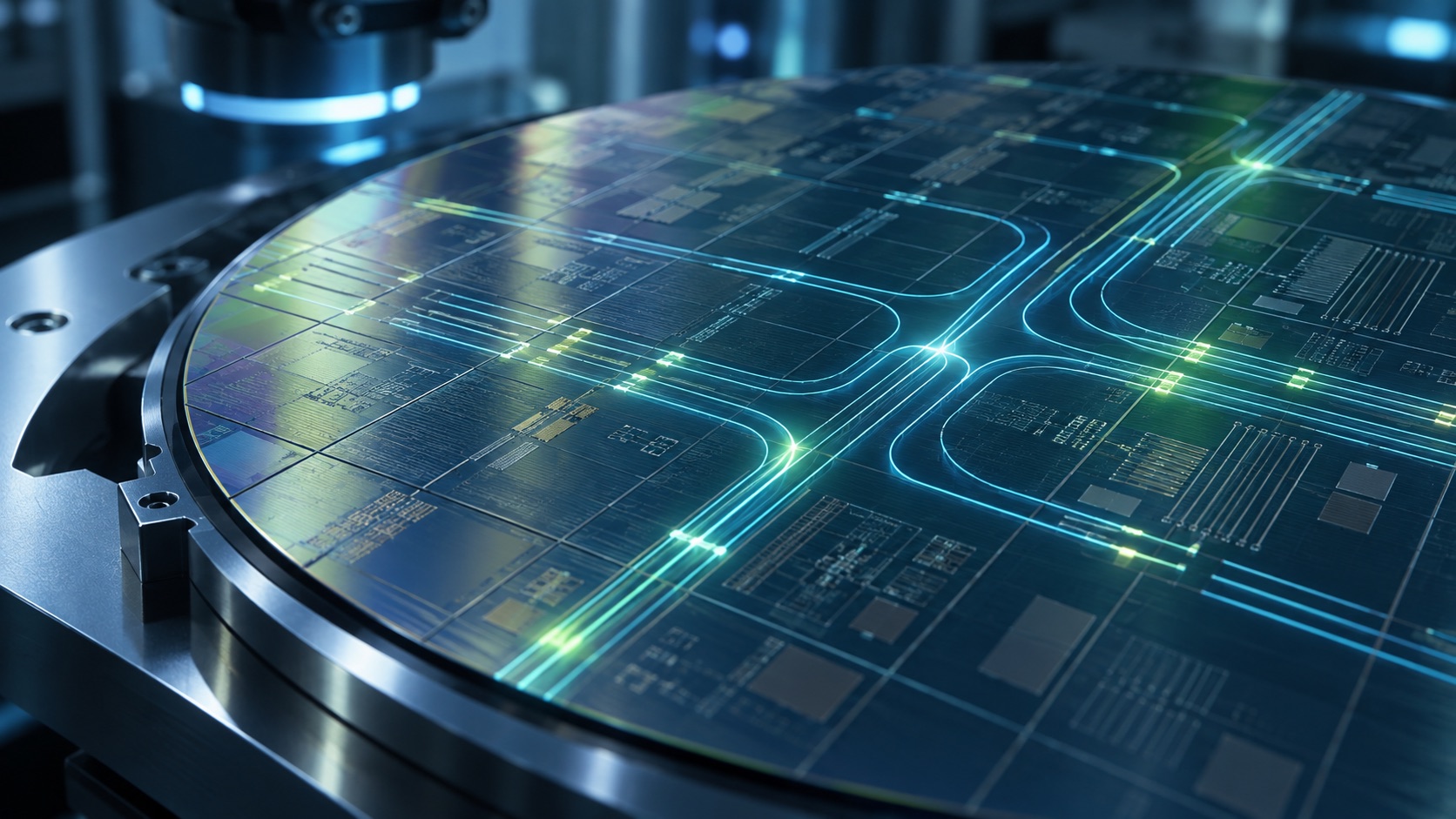
MIT Lincoln Laboratory researchers have expanded an AI hardware survey from 57 accelerators in its initial 2018 edition to more than 120 in the latest survey. The collection tracks architectures including CPUs, GPUs, dedicated accelerators and reconfigurable devices, using publicly available specifications.
The survey compares peak performance and peak power while distinguishing chips, cards and complete systems. MIT notes that some vendor information is unavailable. These figures help describe the hardware landscape, but they are not measurements of every device running the same application under identical conditions.
NAOAT analysis
A procurement team can use this kind of map to build a shortlist, provided it keeps the measurement boundary visible. A chip-level number cannot be treated as the capacity or power demand of a complete server. Memory, interconnects and the rest of the system affect what the installed equipment can accomplish.
Numerical precision is another decision that belongs beside the performance figure. A faster low-precision calculation is useful only when the application still produces acceptable results. For a hypothetical document-processing service, the comparison could hold the evaluation set and quality threshold constant, then measure completed requests at the latency the service promises its users.
Peak power also answers a different question from energy per completed job. An accelerator drawing more instantaneous power might finish a workload sooner, while a nominally efficient device could spend longer moving data or waiting for memory. Measuring the full task would make that tradeoff visible without assuming the survey settles it.
The survey is consequently most useful at the beginning of an evaluation. It can reveal candidate architectures and missing specifications, then guide a focused trial with representative models, batch sizes and memory requirements. That process gives buyers a reason for their selection that survives beyond a headline throughput figure.