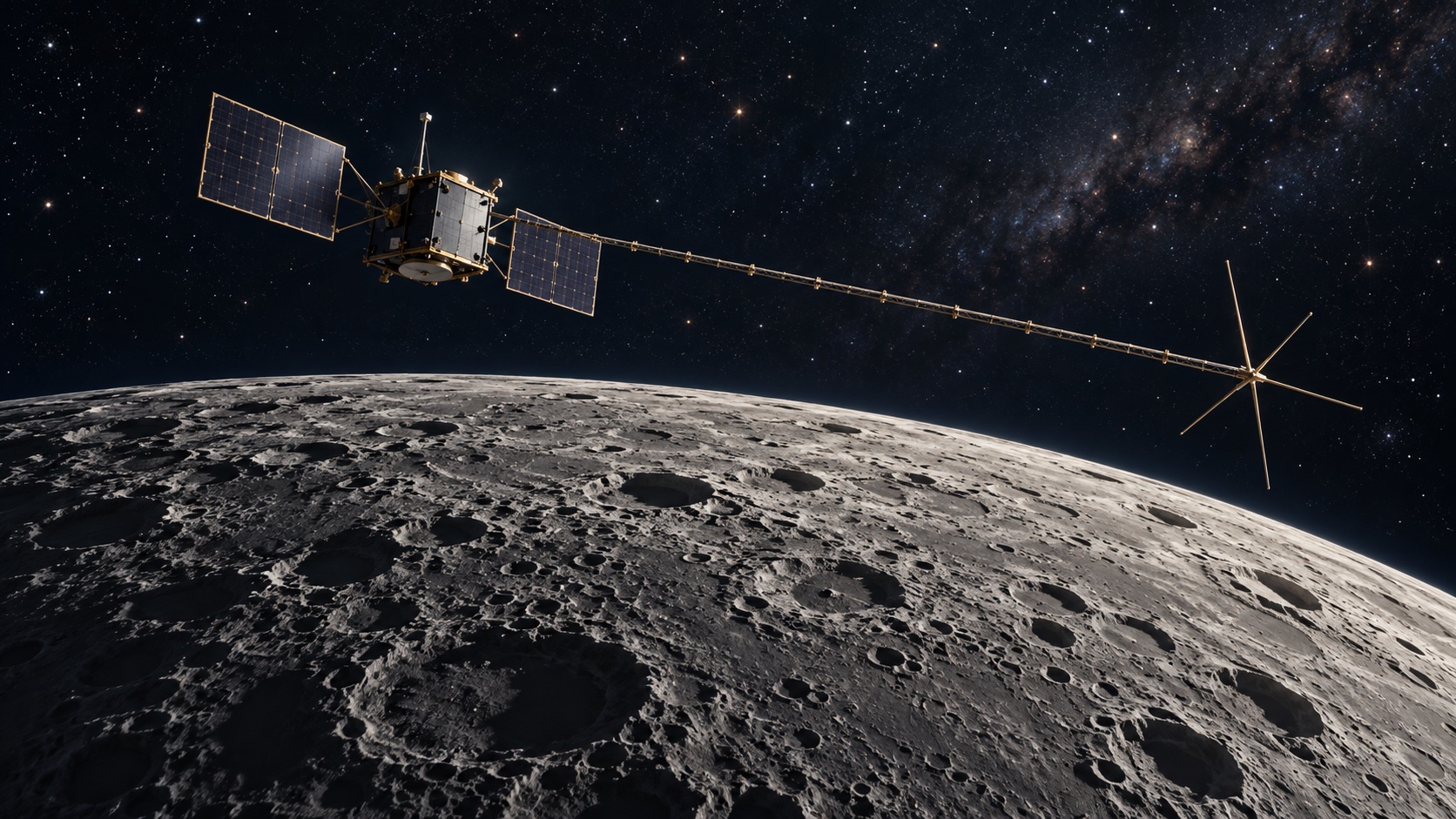
A spacecraft could shed heat by spraying hot liquid into space and catching it again a few moments later. The attraction is the weight it could save on radiator panels. The difficulty is that even a very good catcher could run dry. MIT researcher Jake Hecla is studying how to retrieve the droplets, an issue that has followed the radiator concept since researchers proposed it in the late 1970s.
A power plant on Earth can pass waste heat to moving air. In a vacuum, an exposed surface must radiate that energy away. A conventional spacecraft radiator provides the surface with solid panels. A droplet radiator provides it with a sheet of moving liquid. After the droplets cool in flight, a collector gathers them and a pump returns the liquid to the heat source.
Electric charge can deflect drops along the way. Others splash out on arrival. MIT reports that a ten-year mission might tolerate losing only about one droplet per million in each pass. Hecla is investigating whether electromagnetic collection could improve recovery and allow a spacecraft to maneuver with its radiator running.
The mass that goes missing
The coolant inventory belongs in the same weight budget as the panels it might replace. Since the liquid can make another circuit within seconds, a loss too small to notice during a brief demonstration can consume a considerable reserve over a mission. A meaningful comparison between designs therefore needs two measurements together: the heat carried away and the fluid left on board after repeated passes. A projected mass saving depends on both.