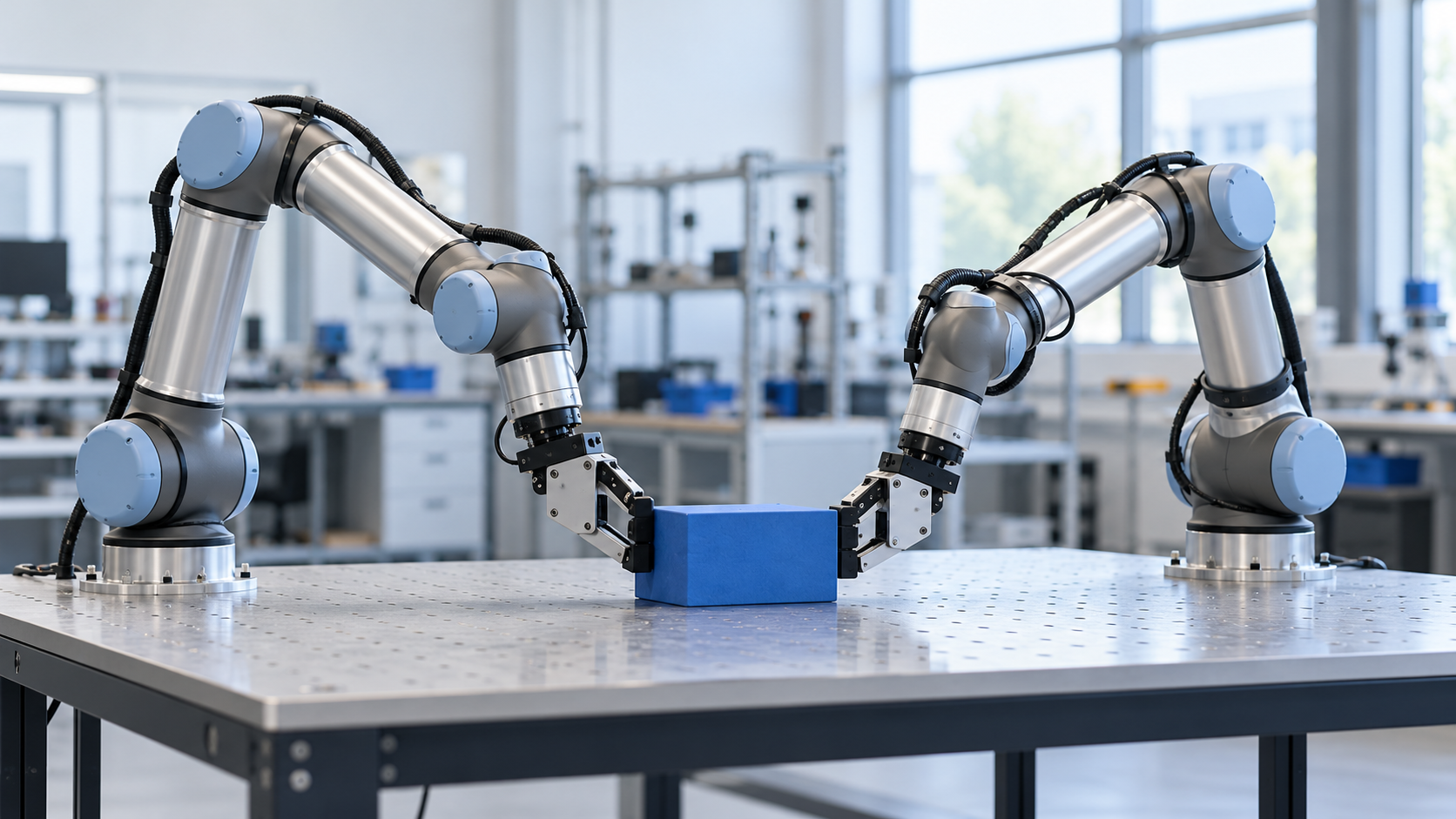
When a Tutor Intelligence robot gets stuck, a remote operator can take control. The correction helps finish the job and supplies an example of how to handle it next time. On November 2, Andreessen Horowitz announced it was leading Tutor’s Series B, backing a company that puts machines into production while people are still teaching them parts of the work.
A stack of cases at the end of a packaging line illustrates where the approach meets a customer. Tutor says Cassie, its single-arm robot, can pick up cases for palletizing and move between workstations on wheels. A separate training facility uses 100 Sonny robots to practice tasks that require two hands. Remote operators can demonstrate a movement or intervene after an error, giving the training team examples from both successful attempts and recoveries.
The lead investor reports that nearly a third of customers receiving robots over the preceding twelve months were returning customers adding units. It also describes a target of more than 1,000 robots under contract by the end of 2027. The two figures measure different things. The first counts customers in a past delivery period, while the second describes a future commitment goal.
NAOAT analysis
For a warehouse manager, the cost of an exception depends partly on when it occurs. A quick remote correction during a quiet shift has a different operational consequence from several machines calling for help as trucks approach a dispatch deadline. Recording both the time a robot waits for an operator and the time the operator spends recovering the pick would show whether learning from earlier interventions actually reduces delays at that site.