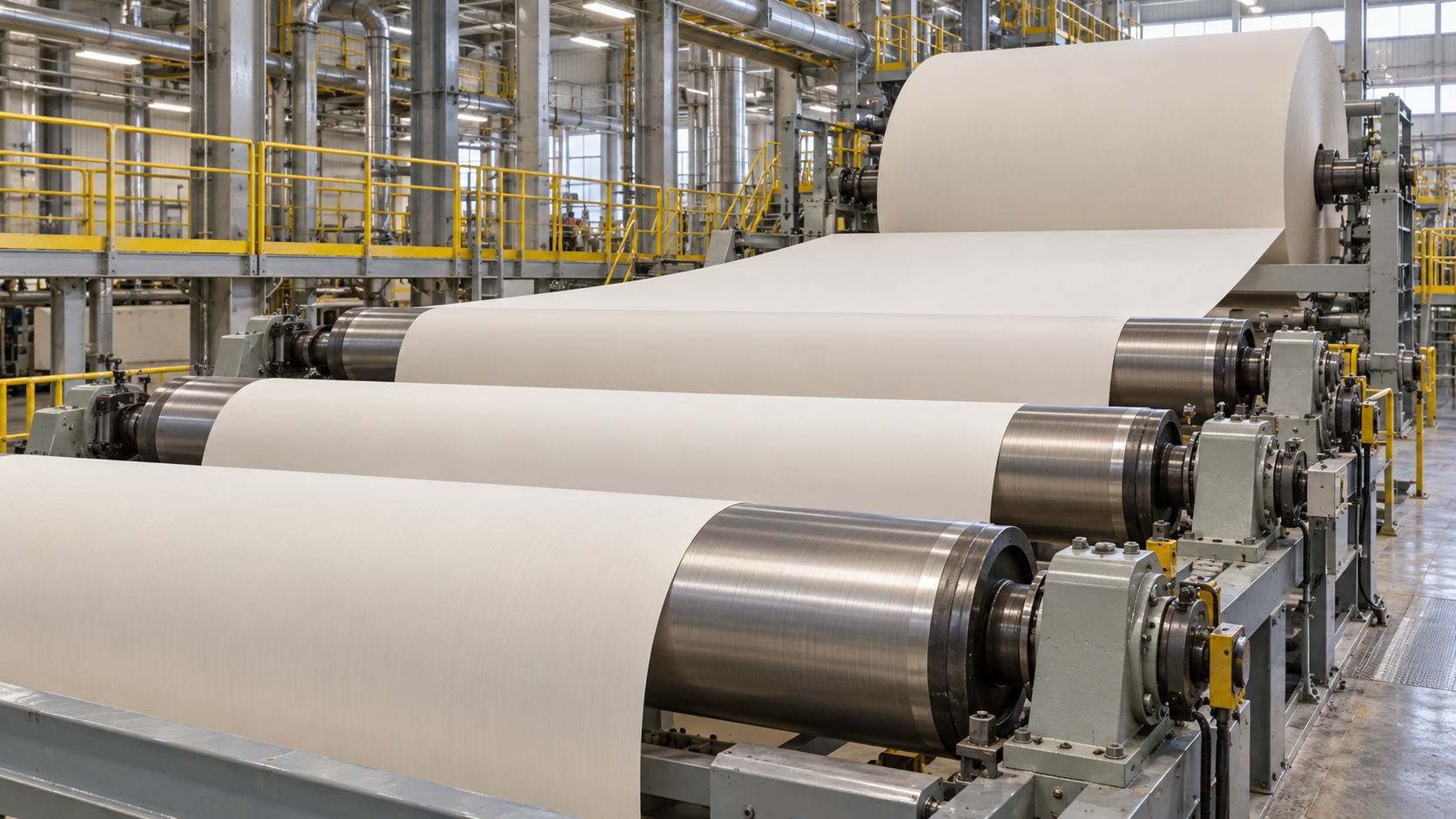
Oak Ridge National Laboratory announced CRAFT on October 22, a forest-products technology center led with the National Laboratory of the Rockies. Pacific Northwest and Idaho national laboratories also support the effort. Its stated focus includes pulping, chemical recovery, dewatering, drying and digital manufacturing.
ORNL says the first phase will work with industry to shape pilot-scale investments and provide access to automation, modeling and data-analysis tools. The center also plans commercialization and workforce-development activities. The announcement sets out intended work; it does not report demonstrated cost savings or completed mill upgrades.
NAOAT analysis
For a mill considering a research partnership, a narrowly defined bottleneck would be a stronger starting point than a general ambition to modernize. A team could identify where production slows, what operators currently adjust and which measurements explain those decisions. That gives researchers a problem with observable boundaries and gives the mill a way to judge whether a proposed change addresses it.
An improvement also needs to survive the rest of the process. Taking water out more effectively at one stage, for example, should be assessed against the condition of the material entering the next stage. A useful pilot would track product quality and downstream effects alongside throughput. Otherwise, a local gain could merely relocate work or introduce a different source of variability.
The workforce element should begin while a pilot is being designed. Operators and maintenance staff can help specify what information a new tool must display, how faults will be recognized and what a usable fallback looks like. Capturing those requirements early would make the research output easier to adopt. For manufacturers, the practical value of a center like CRAFT will depend on how clearly each experiment connects a measured process change to an operating decision.