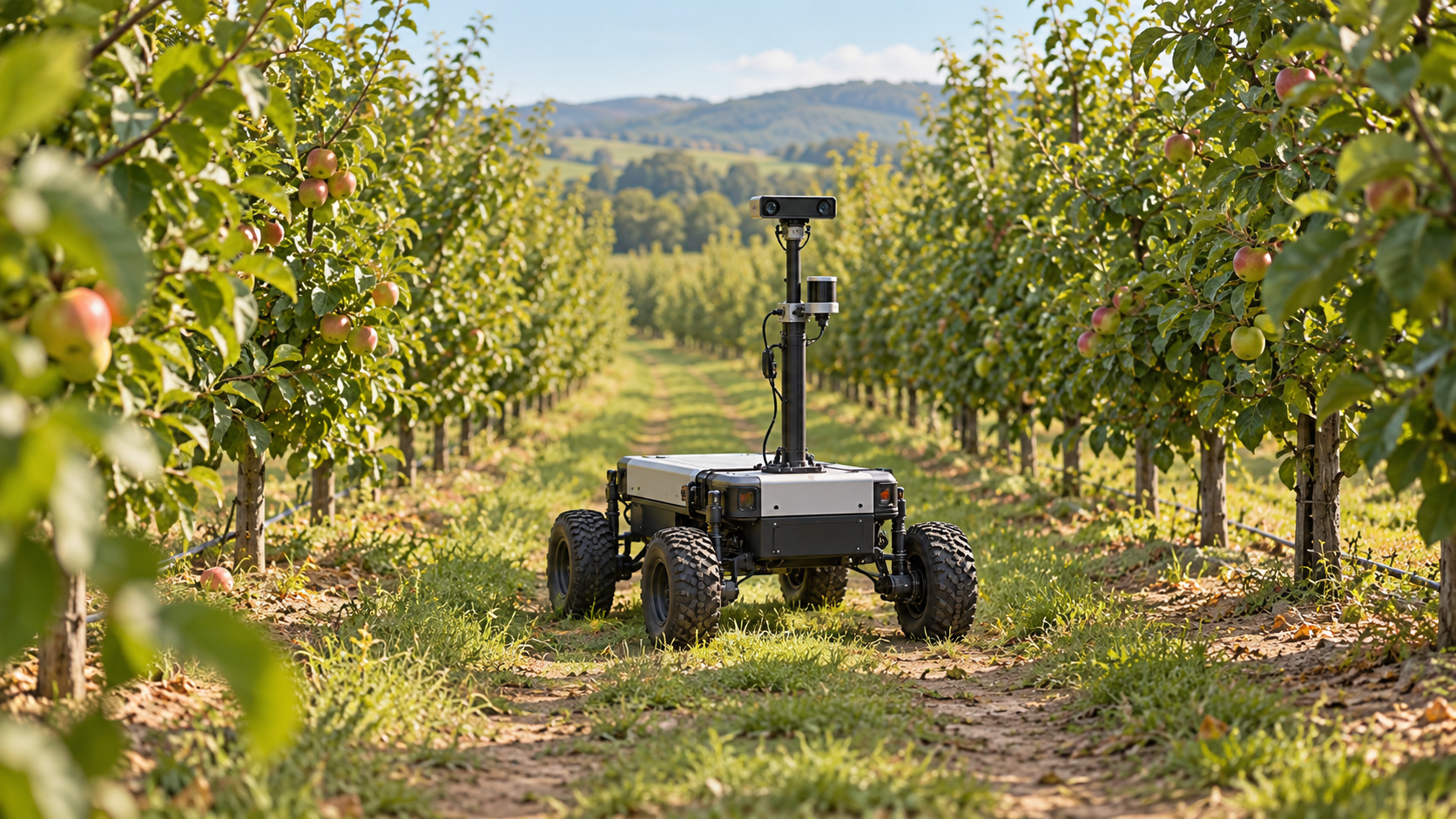
Reservoir announced plans on October 20 for a Washington farm-robotics community in the Yakima Valley, expected to open in spring 2027. Its initial focus is tree fruit and blueberries, with additional testing in wine grapes and hops. Startups would develop equipment on working farms alongside growers and researchers.
The company names the Washington Tree Fruit Research Commission, TRIDEC and North American Blueberry Council among the collaborators. A partnership with Washington State University’s Prosser research center remains under exploration. Reservoir says Bonsai Robotics, Sky Sense, Cordon and Rootline will join the location; the announcement describes a planned site rather than an operating facility.
NAOAT analysis
A useful field trial should answer a purchasing question. Can the machine complete a defined task during the available work window, with acceptable crop quality and a manageable amount of human intervention? An impressive demonstration addresses only a small part of that decision.
Trial records should therefore separate productive operating time from setup, charging, transport and recovery after a stop. Recording all four makes it possible to compare a robot with the way a farm actually performs the job. Otherwise, a high speed measured during one successful pass can hide a demanding support routine.
The same discipline applies to crop damage and missed work. Counting only the targets a system handles successfully leaves the grower without a full account of the area or harvest it was asked to cover. An agreed denominator is as important as an accuracy percentage.
A shared testing location could help startups collect this evidence more consistently, provided each participant keeps the conditions visible. Results from one variety, layout or weather period should remain identifiable when the machine moves elsewhere. The value of the Washington plan will emerge through those repeatable operating records and the decisions they enable.